Español
 Русский
 日本語
日本語
 한국어
한국어
 Melayu
 Francés
 العربية
 ภาษาไทย
 Việt
Việt
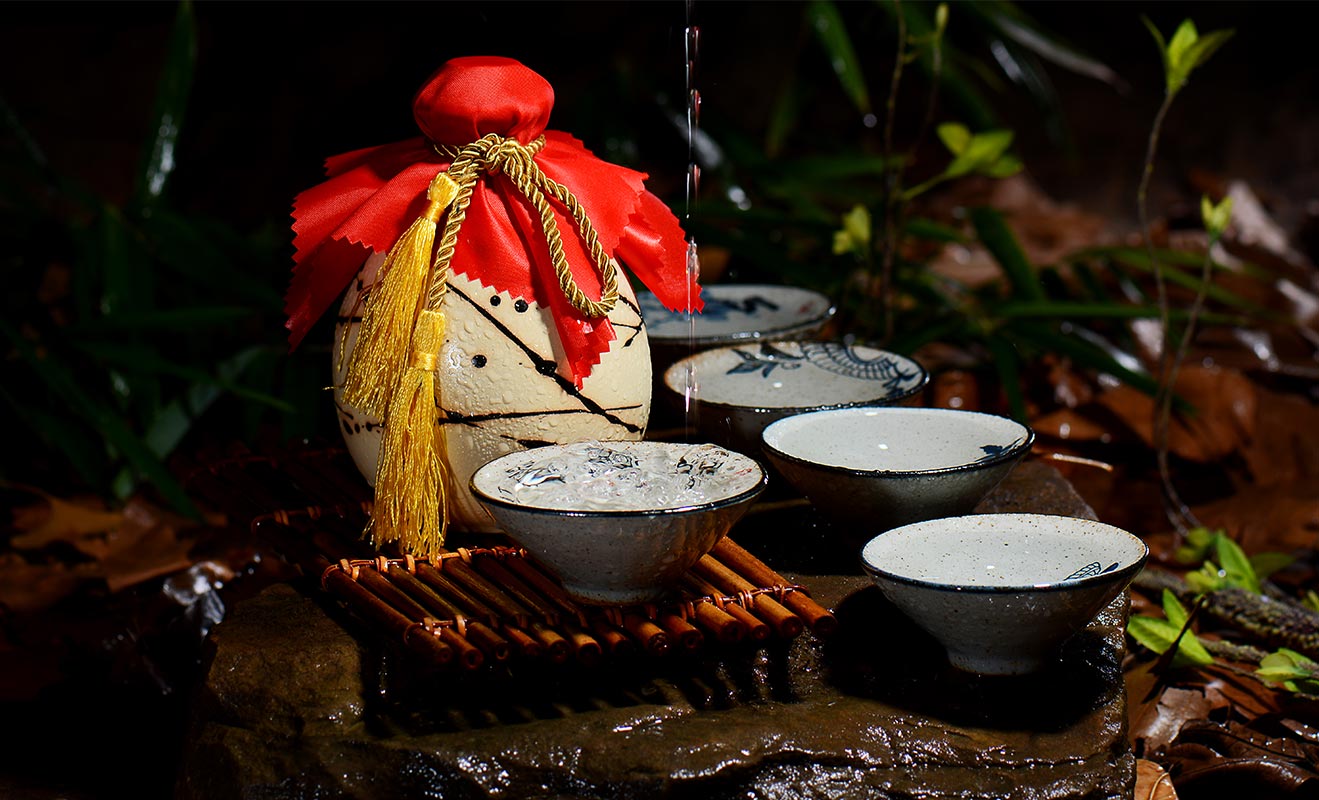

Grain Varieties for Chinese Liquor Brewing and Simple Brewing Methods

Grain Varieties for Chinese Liquor Brewing and Simple Brewing Methods
When it comes to the art of making Chinese liquor, the selection of grains plays a vital role in determining the flavor, aroma, and overall quality of the spirit. Understanding grain varieties for Chinese liquor brewing and simple brewing methods not only helps connoisseurs appreciate the complexity of baijiu and other traditional liquors, but also empowers home brewers and craft distillers to experiment with authentic processes. This article delves into the essential grain varieties for Chinese liquor brewing and simple brewing methods, offering a guide grounded in centuries-old wisdom.
Understanding the Role of Grains in Chinese Liquor
Grains are the foundation of Chinese liquor. The fermentation and distillation processes rely heavily on the starch and flavor profiles of the grains used. Traditional Chinese liquors such as baijiu are known for their bold, complex aromas, which are deeply influenced by the choice of grain.
In most cases, multiple grain types are used in harmony. This blend, known as Wuliangye when involving five grains, creates a layered experience for the drinker. For small-scale brewers, understanding grain varieties for Chinese liquor brewing and simple brewing methods is key to developing flavor and authenticity.
Top Grain Varieties for Chinese Liquor Brewing
Here are the most commonly used grain varieties in the Chinese distilling tradition:
1. Sorghum (Gaoliang)
Sorghum is the cornerstone of Chinese liquor brewing. It is especially dominant in strong-aroma baijiu. Sorghum contributes a rich, nutty flavor and high starch content, making it ideal for long fermentation periods. It holds up well under the heat of distillation and delivers the intense punch that strong-aroma baijiu is famous for.
2. Sticky Rice (Glutinous Rice)
Sticky rice provides a sweet and mellow tone to Chinese liquors. It’s often used in light-aroma styles such as Fenjiu. The texture of sticky rice helps develop a smooth mouthfeel in the final product. For beginners looking into grain varieties for Chinese liquor brewing and simple brewing methods, sticky rice offers a forgiving base.
3. Wheat
Wheat is primarily used in the creation of Qu (fermentation starter), but it also finds its place as a supportive grain. Wheat helps balance the sharpness of other grains and offers a soft, subtle background flavor.
4. Corn
Corn is less traditional but used in regions where it's more accessible. It adds a hint of sweetness and often finds a place in modern or experimental brews. However, too much corn can lead to off-flavors if not managed properly.
5. Barley and Peas
These grains are also used in the production of Qu and bring earthy tones to the mix. Their role is more in fermentation control than direct flavor input, but they are essential in maintaining the balance.
Simple Brewing Methods for Chinese Liquor
Exploring grain varieties for Chinese liquor brewing and simple brewing methods wouldn’t be complete without practical insights into brewing. Here's a basic step-by-step overview for small-scale or home brewing:
Step 1: Grain Preparation
Select and clean your grains thoroughly.
Steam the grains until they’re soft but not mushy—this helps in starch gelatinization, making sugars more accessible for fermentation.
Step 2: Adding Qu (Fermentation Starter)
Once the grains cool down to around 30–35°C, mix in Qu, a fermentation starter made from mold, yeast, and bacteria cultivated on wheat or barley.
Spread the grain-Qu mix in a fermentation container and cover lightly.
Step 3: Solid-State Fermentation
Ferment the grains in a sealed environment (clay jar or pit) at room temperature for 30–90 days.
Turn the mix regularly if possible to ensure uniform fermentation.
Step 4: Distillation
Distill the fermented mass in a traditional pot still or steam distiller.
Collect the distillate in three parts: head (discard or use for sanitation), heart (main drinkable portion), and tail (often re-distilled).
Step 5: Aging
Store the distilled liquor in clay jars or glass containers.
Age for at least 6 months to mellow the alcohol and allow flavors to develop.
Step 6: Blending and Bottling
For best results, blend different batches to balance strength and flavor.
Bottle under clean, sterile conditions.
The Importance of Matching Grain and Method
One of the key takeaways in mastering grain varieties for Chinese liquor brewing and simple brewing methods is that the grain must match the brewing style. For example, sorghum is best suited to long fermentation and strong-aroma baijiu, while glutinous rice pairs beautifully with shorter fermentation and sweeter, lighter liquors.
Conclusion
Mastering grain varieties for Chinese liquor brewing and simple brewing methods opens the door to a rich cultural experience and the opportunity to craft something truly authentic. Whether you're aiming to produce traditional baijiu or experiment with your own fusion spirit, choosing the right grain and understanding the foundational brewing steps is crucial. With careful attention to grain selection, fermentation, and aging, you can bring centuries of Chinese distilling tradition into your own glass.
Types of Sorghum for Higher Yield Each company has its own unique brewing process, resulting in different yields. Even with the same process, the skill level of the operator can affect the yield. However, there are general guidelines:
Light-aroma baijiu (qingxiang) typically has a higher yield, around 50% (calculated at 60% alcohol by volume).
Strong-aroma baijiu (nongxiang) has a slightly lower yield, around 40%.
Sauce-aroma baijiu (jiangxiang) has the lowest yield, around 30%.
Comparison of Homemade Sorghum, Millet, and Five-Grain Liquors
Homemade five-grain liquor is generally considered the best-tasting, followed by sorghum liquor, and then millet liquor.
Millet wine (fermented) has a milder, slightly sweet taste and lower alcohol content, making it more palatable.
Sorghum liquor (distilled) has a strong, rich flavor and higher alcohol content.
Pure rice wine has a distinct, pleasant rice aroma and is often preferred for its smoothness compared to sorghum liquor.
In summary, the choice between these types of liquor depends on personal preference, with each offering a unique flavor profile and drinking experience.