Español
 Русский
 日本語
日本語
 한국어
한국어
 Melayu
 Francés
 العربية
 ภาษาไทย
 Việt
Việt


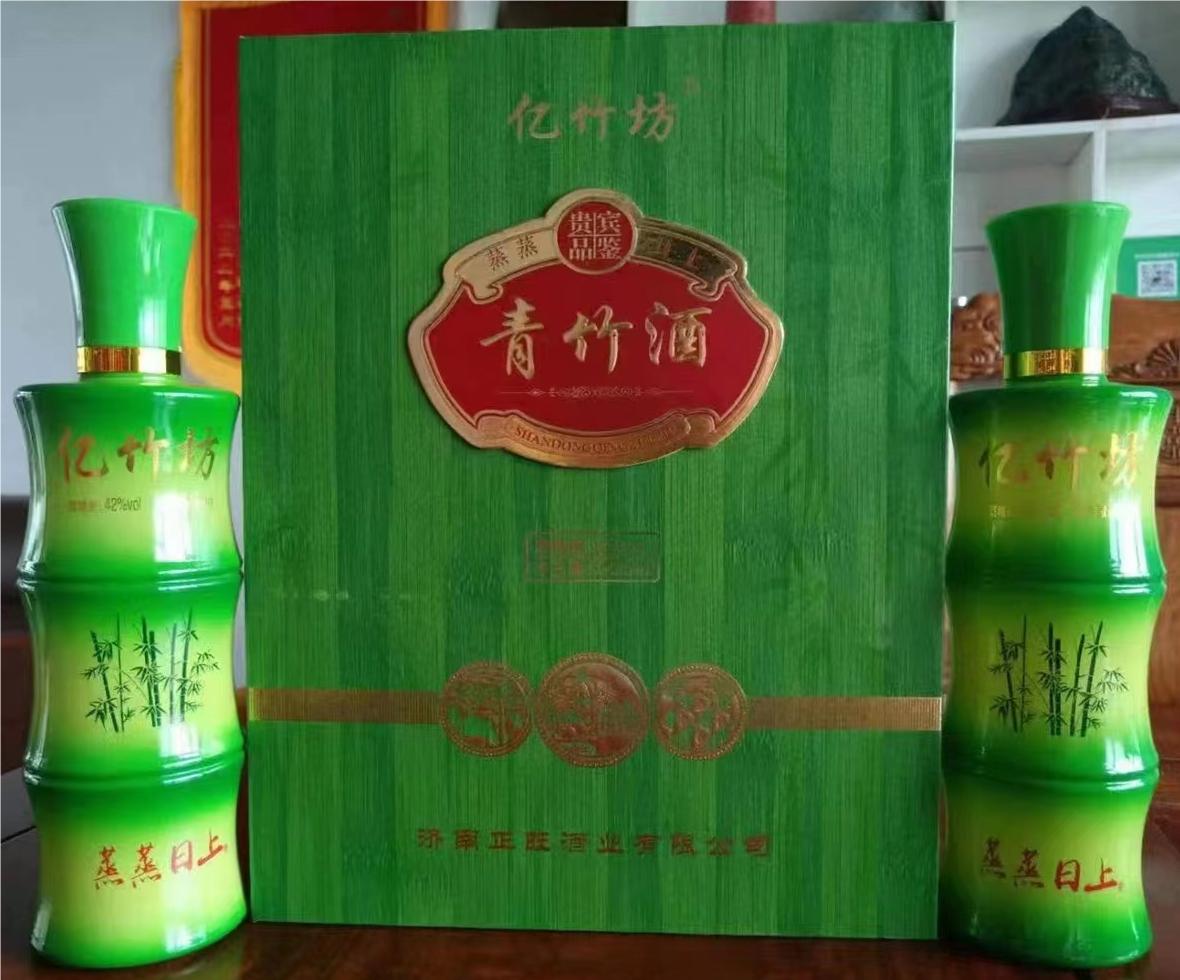
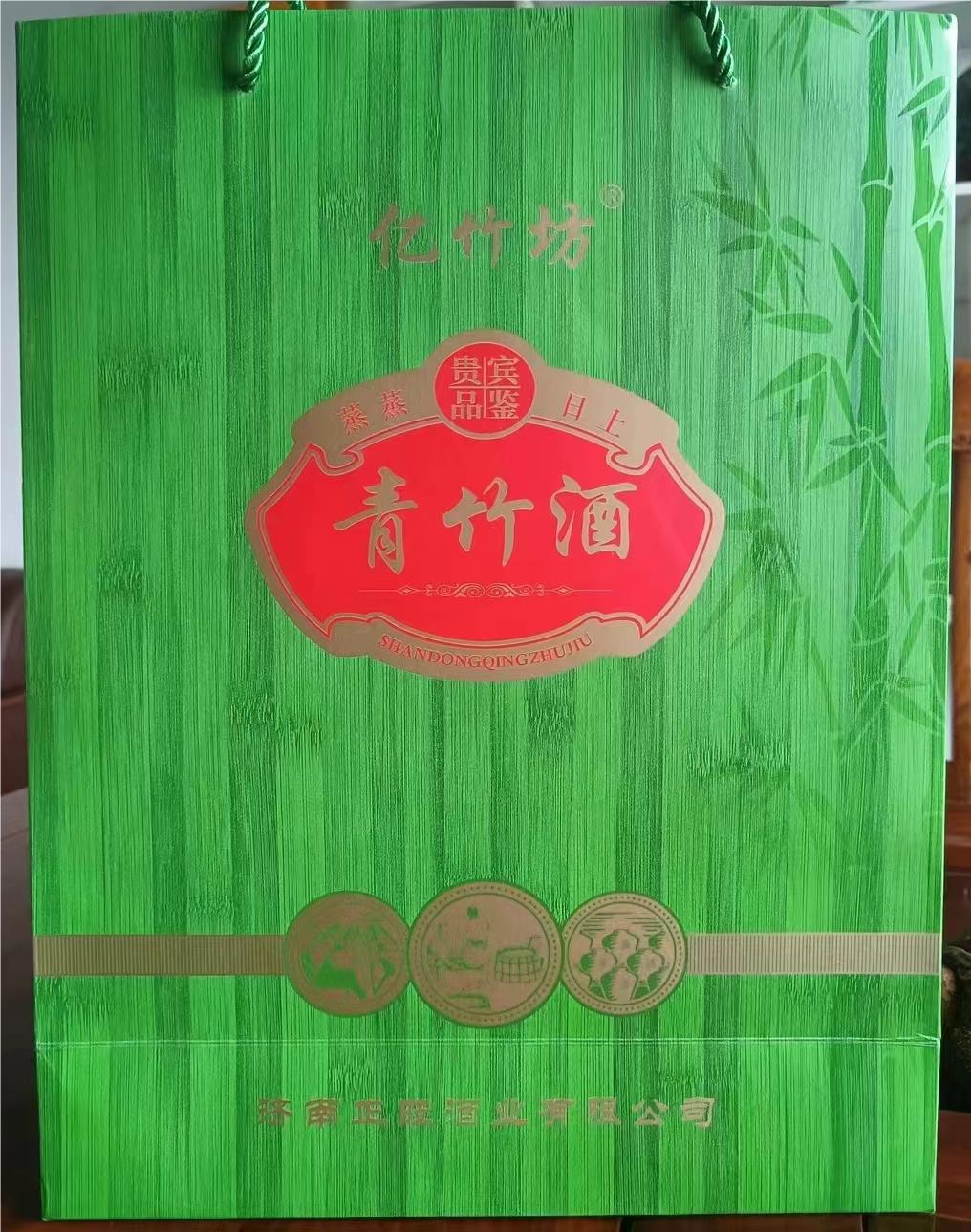
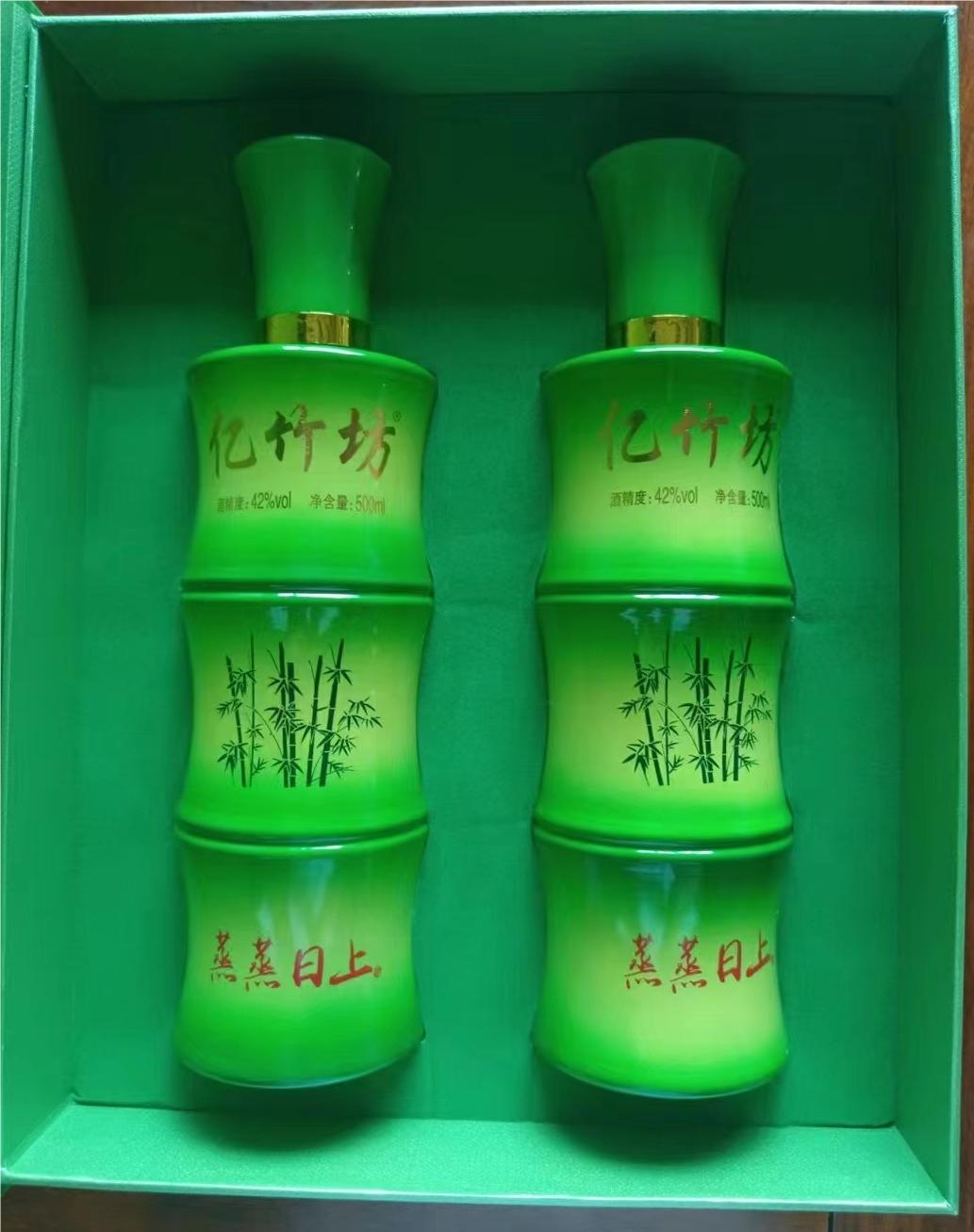
Qingzhu Liquor
Advantages and characteristics:
1.reshing and refreshing: Bamboo leaf green is often described as "refreshing", it has the freshness and refreshing taste of alcohol.
Fresh fragrance: Bamboo leaf green has a strong aroma, which may carry the fragrance of bamboo leaves and other herbaceous plants, making people feel fresh and pleasant.
Smooth and Smooth: The taste of Zhuyeqing is generally relatively smooth and smooth. Its body is relatively light, with a balanced taste, making it more comfortable to drink.
lear and transparent: The body of the bamboo leaf green wine usually presents a transparent state, with a clear and bright color.
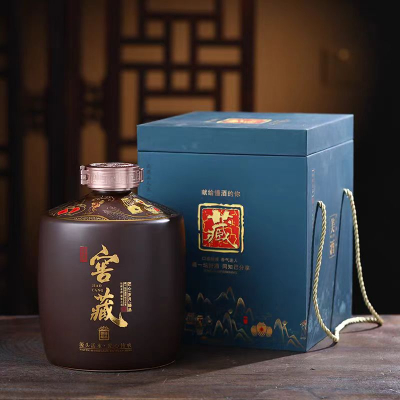
2.Support customization: Zhengwang baijiu Industry can meet various tastes, specifications, packaging, and personal customization, meeting various needs such as drinking and collecting.
3.Formula: The main production area of Bamboo Leaf Green Tea is in Longyan City, Fujian Province. The region has a moderate and humid climate, fertile soil, and is suitable for the growth of crops. The bamboo used in the production of Bamboo Leaf Green Tea grows in the mountainous areas at an altitude of about 1000 meters, providing favorable climatic and soil conditions for the quality of the bamboo. Bamboo Leaf Green Tea is well-known for its unique bamboo aroma and mellow taste, which is rich and sweet with a long-lasting aftertaste. Its aroma retains the special fragrance of Bamboo Leaf Green Tea, refreshing and pleasant.
Qingzhu Liquor is an emerging brand in the alcoholic beverage market, renowned for its distinctive flavor profile and adherence to high-quality production standards. This article provides a thorough examination of Qingzhu Liquor, covering its manufacturing processes, quality control, regulatory considerations, and market positioning. We also explore relevant engineering principles, industry standards, and operational best practices that govern its production and sale.
What Is Qingzhu Liquor?
Qingzhu Liquor is a type of Chinese distilled spirit (baijiu) produced using traditional fermentation methods combined with modern technological controls. Its unique character stems from the selection of raw materials, fermentation techniques, and aging processes that comply with rigorous food safety and quality standards.
Key Characteristics:
Alcohol content: Typically ranges from 38% to 52% ABV
Base materials: Sorghum, wheat, and other grains
Flavor profile: Rich, mellow, with fruity and floral notes
Packaging: Bottled under sterile conditions, varying volumes (e.g., 500ml, 750ml)
Production Process and Engineering Principles
1. Raw Material Selection
High-grade grains are selected for optimal starch content, influencing sugar yield during fermentation.
Quality parameters include moisture content (<14%) and absence of contaminants (pesticides, mycotoxins).
2. Fermentation and Distillation
Uses solid-state fermentation, where microorganisms convert starches into alcohol in controlled environments.
Temperature and humidity are precisely monitored to optimize yeast activity and flavor compound development.
Distillation is conducted in multi-stage pot stills to concentrate alcohol while retaining aromatic congeners.
3. Aging and Blending
Aging in ceramic or oak containers for several months to years allows flavor maturation.
Blending ensures consistent taste across batches, with quality assessed via gas chromatography-mass spectrometry (GC-MS) to detect volatile profiles.
4. Quality Control
Microbiological testing ensures no harmful bacteria or pathogens are present.
Chemical analysis confirms compliance with maximum allowable limits for methanol (<10 mg/L) and heavy metals per GB 2757-2012 (Chinese national standard for spirits).
Sensory evaluation by trained panels evaluates aroma, taste, and mouthfeel.
Regulatory Compliance and Industry Standards
| Regulatory Framework | Description |
|---|---|
| GB 2757-2012 | National standard for baijiu production and safety criteria |
| Food Safety Law of PRC | Governs production hygiene, labeling, and traceability |
| Alcohol and Tobacco Taxation | Imposes excise duties and ensures proper documentation |
| ISO 22000:2018 | Food safety management system applied to Qingzhu Liquor plants |
| Labeling Regulations | Mandatory inclusion of alcohol content, ingredients, and health warnings |
Operational Considerations for Qingzhu Liquor Franchise or Retailers
Storage: Maintain temperature between 15-25°C, avoid direct sunlight, humidity <70%.
Handling: Follow strict hygiene protocols to prevent contamination during bottling and distribution.
Shelf Life: Typically stable for 3-5 years under optimal conditions without quality degradation.
Legal Sale: Adherence to local liquor licensing laws, age verification (≥18 or 21 depending on jurisdiction), and marketing restrictions.
Market Positioning and Consumer Insights
Qingzhu Liquor targets consumers seeking authentic Chinese spirits with premium quality assurance.
Its blend of traditional craftsmanship and modern quality controls appeals to both domestic and international markets.
Marketing campaigns often emphasize heritage, craftsmanship, and purity verified by lab testing.
Frequently Asked Questions (FAQs)
❓ What differentiates Qingzhu Liquor from other baijiu brands?
Qingzhu Liquor integrates strict raw material screening, advanced fermentation monitoring, and state-of-the-art quality control, delivering consistent flavor and superior safety.
❓ Is Qingzhu Liquor compliant with international export regulations?
Yes. It meets key export requirements including FDA food safety standards, EU labeling directives, and WHO guidelines on alcohol production.
❓ How should Qingzhu Liquor be stored to maintain quality?
Store in a cool, dry place away from sunlight, with moderate humidity and stable temperature to preserve flavor and prevent spoilage.
❓ What safety standards govern the production of Qingzhu Liquor?
Production adheres to GB 2757-2012, ISO 22000, and local food safety laws ensuring chemical and microbial safety, labeling accuracy, and traceability.
Summary: Why Qingzhu Liquor Is a Quality-Driven Choice
| Feature | Benefit |
|---|---|
| Traditional + Modern Methods | Balanced authentic flavor and reliable quality |
| Rigorous Quality Testing | Ensures safety, consistency, and compliance |
| Comprehensive Regulatory Adherence | Legal and market-ready for global distribution |
| Consumer-Centric Packaging | Enhances brand trust and user experience |
Related News